
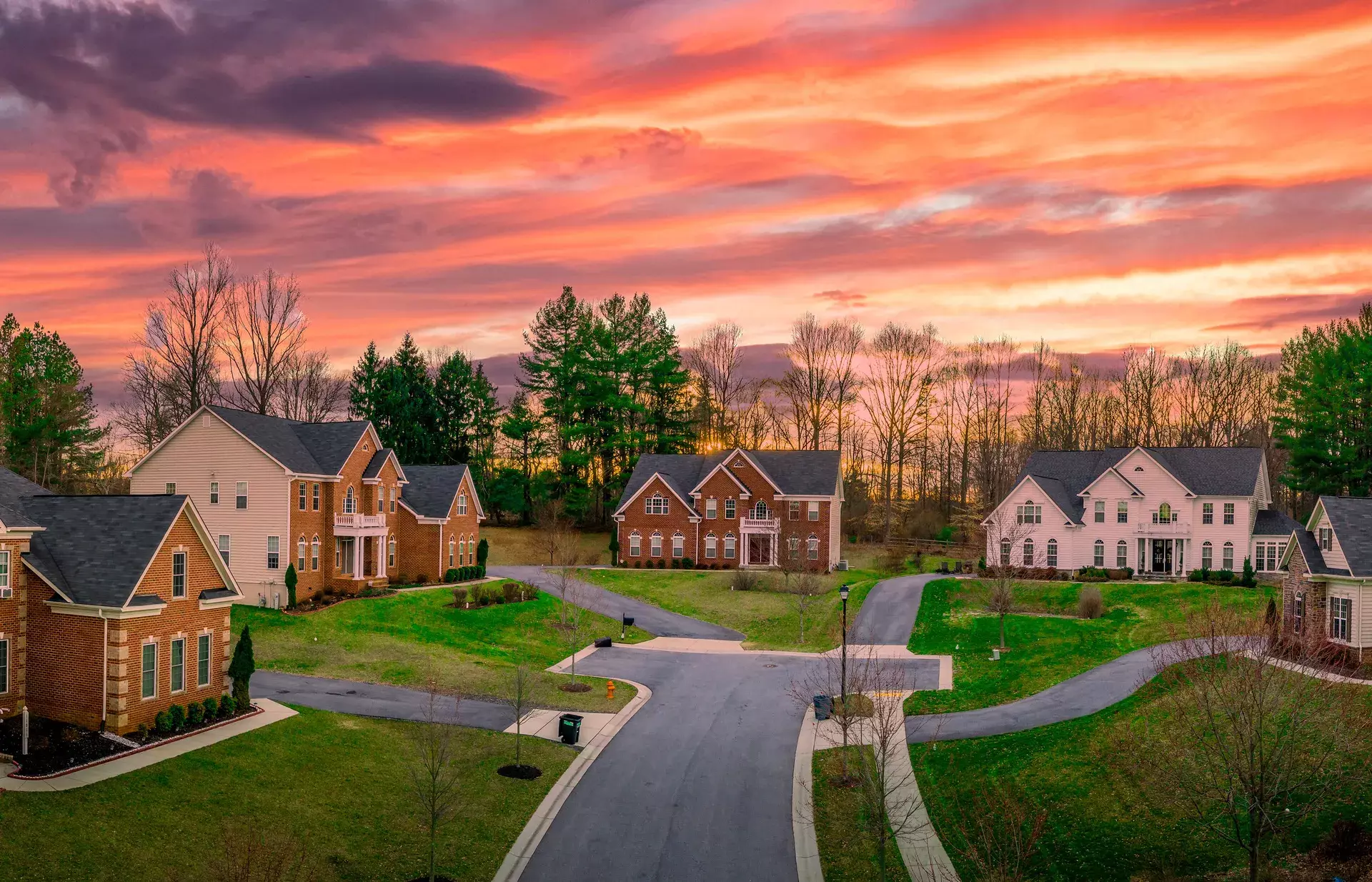
Home Buyer Guide - Buying a Home in South Lyon, Brighton, and Southeast Michigan
Home Buyer Guide - Buying a Home in South Lyon, Brighton, and Southeast Michigan
The complete guide to buying a home in Livingston, Oakland, and Washtenaw County, from pre-approval to closing.
Buying a home in South Lyon, Brighton, Howell, Lyon Township, Milford, or surrounding Southeast Michigan communities typically takes 60 to 90 days from initial mortgage pre-approval to closing, and moves through eight distinct stages that each carry their own decisions, risks, and timing considerations. This guide walks you through the full process with the specific details that matter in Michigan: how property tax uncapping affects your carrying costs, how offer strategy varies by inventory level, what inspection contingencies to hold firm on, and how to avoid the paperwork and proration pitfalls that cost buyers real money at closing. Derek Bauer is an Associate Broker, Certified Residential Specialist (CRS), and RealTrends Verified Top 250 Michigan Agent (2025) with 24+ years of experience and 1,100+ closed transactions representing buyers and sellers across Livingston, Oakland, and Washtenaw counties.
Stage 1 - Is Now a Good Time to Buy?
The "is it a good time" question depends more on your personal situation than on national headlines. Three factors actually determine whether now works for you: whether you qualify for a mortgage at rates you can afford, whether inventory in your target price band and area is adequate, and whether your current housing situation supports a move on the timeline you want. Derek's companion guide for sellers covers the seller side; the same principles apply in reverse for buyers.
What has changed in 2026 from prior years: mortgage rates have stabilized off their peaks, inventory has loosened modestly in Livingston and Oakland counties, and price appreciation has slowed to more sustainable single-digit rates in most Southeast Michigan submarkets. This is a meaningfully different environment from 2021-2023, when competition routinely pushed offers $25,000 to $50,000 over list in Brighton, South Lyon, and Lyon Township. The current market rewards preparation and patience over bidding aggression.
Stage 2 - Mortgage Pre-Approval
Mortgage pre-approval is the first practical step in home buying, not the third or fourth. You cannot write a serious offer in Southeast Michigan without it, and most listing agents will not even schedule a showing until they see a pre-approval letter. Pre-approval differs from pre-qualification in one important way: pre-qualification is a back-of-envelope estimate based on what you tell the lender, while pre-approval is based on verified income documentation, credit report review, and debt-to-income calculation.
What a good pre-approval process produces:
- A specific maximum purchase price range based on verified income, debt, and credit
- A mortgage program recommendation (conventional, FHA, VA, USDA, or Michigan-specific programs like MSHDA)
- An estimated monthly payment breakdown including principal, interest, property taxes, insurance, and PMI if applicable
- A pre-approval letter you can submit with offers
- Clarity on the down payment, closing costs, and reserves you need in cash
Derek's preferred lender referral is Lake Michigan Credit Union, which has local underwriting authority and responsive turnaround times on Southeast Michigan transactions. That said, use whatever lender you trust - a good pre-approval is more important than a specific lender brand.
Michigan Mortgage Programs and Down Payment Assistance
Several mortgage programs are available to Michigan buyers that differ in down payment requirements, credit thresholds, property eligibility, and interest rate structure. Your lender will recommend specific programs during pre-approval based on your financial profile and the property you are buying. Understanding the major program categories helps you ask the right questions.
Conventional loans are the baseline mortgage option. Typical minimum down payment is 3% to 5% for qualifying buyers, though 20% avoids private mortgage insurance (PMI). Conventional loans follow Fannie Mae and Freddie Mac guidelines and are the most common mortgage type across Southeast Michigan transactions. Credit score and debt-to-income ratio requirements are moderate.
FHA loans are insured by the Federal Housing Administration and allow down payments as low as 3.5% for qualifying buyers. Credit score requirements are lower than conventional loans (580+ for the 3.5% down option). FHA loans carry an upfront mortgage insurance premium and annual mortgage insurance that continues for the life of the loan in most cases. Useful for buyers with lower cash reserves or slightly lower credit scores.
VA loans are guaranteed by the Department of Veterans Affairs and available to eligible current and former military service members, as well as some surviving spouses. VA loans require zero down payment for most eligible buyers, have no monthly mortgage insurance, and typically offer competitive interest rates. A VA funding fee applies but can often be rolled into the loan balance.
USDA loans are guaranteed by the U.S. Department of Agriculture Rural Development program and available for qualifying properties in designated rural areas. Many properties in Livingston County, outer Washtenaw County, and parts of Oakland County qualify. USDA loans require zero down payment for eligible buyers with income within program limits.
MSHDA (Michigan State Housing Development Authority) programs offer down payment assistance and specialized loan products for eligible Michigan buyers. The MI Home Loan and MI Home Loan Flex programs pair with down payment assistance of up to $10,000 for eligible buyers purchasing within income and purchase price limits. MSHDA programs work in combination with conventional, FHA, VA, or USDA loans depending on the specific product. Income limits and purchase price caps vary by county across Southeast Michigan.
Stage 3 - Defining What You Are Actually Looking For
Buyers who write successful offers tend to have clarity on three things before serious searching begins: must-haves (deal breakers), nice-to-haves (would-be-great-but-not-essential), and geographic priorities (how far you are willing to commute, how important proximity to specific amenities is, or how committed you are to a particular area). Buyers who skip this step typically spend months touring homes and still struggle to write offers because they cannot decide what they actually want.
Questions worth answering specifically:
- Purchase price range (top end based on pre-approval, comfortable range below that)
- Minimum bedrooms, bathrooms, and square footage
- Must-have features (main-floor primary bedroom, three-car garage, walkout basement, lake access, acreage, specific subdivision)
- Acceptable commute distance to work, or remote-work viability
- Condition tolerance (turnkey only, light updates OK, full rehab acceptable)
- Property type (detached home, condo, new construction, lake home)
If you want help structuring this before your search begins, the Buyer Discovery Session organizes your priorities in a structured intake before the first showing. Common search starting points buyers use include ranch homes in South Lyon and Brighton and main floor primary bedroom homes.
Stage 4 - Searching and Showings
In the current Southeast Michigan market, most buyers look at 8 to 15 homes in person before writing an offer on one that fits. That range reflects how long it typically takes to pattern-match your must-haves against real inventory - to see how condition, layout, lot, and price interact in ways that online photos cannot show. Some buyers write an offer on the first home they see and are genuinely happy with the outcome; others tour 25 homes before finding the right match. The number is not the point. The point is leaving each showing with a clearer sense of what you actually want and do not want.
What to evaluate on every showing, beyond the obvious:
- Carrying costs at your uncapped tax bill, not the seller's (run the Michigan Treasury estimator at bauerrealtysolutions.com/buyers/property-tax-estimator)
- Homeowners association fees and what they cover
- Seller disclosure statement and any known material defects
- Days on market versus comparable homes nearby
- Recent price reductions and listing history
- Obvious condition issues (roof age, windows, HVAC, basement, foundation)
- Lot-specific factors (grade, drainage, setbacks, easements)
Stage 5 - Writing an Offer
An offer in Southeast Michigan is a Michigan Association of REALTORS® purchase agreement with specific terms negotiated for that transaction. The price is only one variable. Other terms materially affect whether the offer gets accepted and whether the deal closes without problems.
Key offer variables beyond price:
- Earnest money deposit (typically 1-2% of purchase price, held in escrow)
- Financing contingency (how long you have to secure final loan approval)
- Inspection contingency (how long for inspections and what findings allow you to withdraw)
- Appraisal contingency (what happens if the appraisal comes in below contract price)
- Closing date (when you take possession - aligns with your current housing situation)
- Possession terms (seller moves out at closing, or post-closing occupancy)
- Seller concessions (closing cost credits, repair credits)
- Tax proration method (paid-in-advance vs paid-in-arrears - varies by local custom)
- Personal property included (appliances, fixtures, lawn equipment)
For a deeper look at competitive offer writing when inventory is tight, see Derek's guide to competitive offer strategies.
Stage 6 - Inspections and Due Diligence
The inspection period is typically 7 to 10 days after mutual acceptance of the purchase agreement. Use it fully. A general home inspection is essential; specialty inspections for specific issues (radon, septic, well, foundation, chimney) may also be warranted depending on the property.
Standard inspections to consider:
- General home inspection ($400-$600 typical in Southeast Michigan)
- Radon test (recommended in most Michigan homes, $125-$200)
- Septic inspection if property has septic system ($300-$500)
- Well inspection and water quality test if property has private well ($200-$400)
- Sewer line scope on older homes ($200-$400)
- Chimney inspection on homes with fireplaces ($150-$300)
- Foundation or structural engineer review if inspector notes concerns
Findings from inspections become the basis for repair requests, seller concessions, or purchase agreement withdrawal. The goal is not to demand every minor repair - it is to identify material defects and negotiate fair remedies. Small items you can handle yourself; large items (active leaks, failed systems, structural issues) deserve seller attention.
Stage 7 - Appraisal, Underwriting, and Final Loan Approval
Between inspection and closing, your lender orders an appraisal and moves the loan through final underwriting. This phase typically takes 3 to 5 weeks and involves document requests, verification of employment and income, and review of the appraisal.
Common friction points during this phase:
- Appraisal comes in below contract price - triggers appraisal gap negotiation
- Large bank deposits require documentation (gift letters, pay stubs)
- Credit changes - do not open new credit accounts or make large purchases
- Employment verification - do not change jobs during underwriting if avoidable
- Homeowners insurance binding required before closing - shop in advance
- Final walkthrough the day of or day before closing
Stage 8 - Closing
Closing happens at a title company office in Southeast Michigan, usually takes 60 to 90 minutes, and produces a significant stack of signed paperwork. Funds transfer to the seller the same day in most cases. You take possession either at closing or at whatever time was specified in the purchase agreement.
What to bring and what to expect:
- Government-issued photo ID (drivers license or passport)
- Cashier's check or wire transfer for final closing amount (not personal check)
- Proof of homeowners insurance effective the closing date
- Closing disclosure reviewed against loan estimate from earlier in process
- Keys, garage door openers, and any other access items from seller
Free eGuide - Things to Consider When Buying a Home
Request the Free Buyer eGuide →
Additional Buyer Tools and Resources
- Michigan Property Tax Estimator - official state estimator plus uncapping and proration context
- Competitive Offer Strategies - how to structure offers that win without overpaying
- Working With Derek to Buy a Home - what buyer representation looks like day-to-day, including the personalized buyer hub every Derek Bauer buyer client receives during their search
- Buyer Discovery Session - structured intake to clarify priorities before your search begins
- MovingRealityCheck.com - 12-tool toolkit for buyers and sellers
Frequently Asked Questions
How long does it take to buy a home in Southeast Michigan?
From initial mortgage pre-approval to closing, most Southeast Michigan home purchases take 60 to 90 days. That breaks down roughly as: pre-approval (1 to 2 weeks), active search and showings (2 to 8 weeks depending on inventory and priorities), offer negotiation (3 to 7 days), inspection period (7 to 10 days), and appraisal, underwriting, and closing (30 to 45 days after offer acceptance). The longest variable is usually the search phase. Equal Housing Opportunity.
How much money do I need saved to buy a home in Brighton, South Lyon, or Howell?
Cash needs depend on loan type, purchase price, and loan structure. For a conventional loan on a $400,000 Southeast Michigan home, typical cash requirements are approximately $20,000 to $40,000 (5-10% down), $4,000 to $8,000 in closing costs, and 2-3 months of housing payment in reserves. FHA loans require lower down payment (3.5%). VA loans require zero down for qualifying buyers. Michigan's MSHDA program offers down payment assistance for qualifying buyers. Your lender's pre-approval letter will spell out your specific cash requirement. Equal Housing Opportunity.
What mortgage programs are available in Michigan?
Common mortgage programs include conventional loans (3-5% down minimum), FHA loans (3.5% down for qualifying buyers), VA loans (zero down for eligible military service members and some surviving spouses), USDA Rural Development loans (zero down for eligible rural properties), and MSHDA (Michigan State Housing Development Authority) programs offering down payment assistance up to $10,000 for eligible buyers within income and purchase price limits. Your lender will evaluate which programs you qualify for during pre-approval. Each program has tradeoffs in terms of down payment, credit requirements, mortgage insurance, and property eligibility. Equal Housing Opportunity.
Do I need a real estate agent to buy a home, or can I work directly with the listing agent?
You can technically work directly with the listing agent, but the listing agent has a fiduciary duty to the seller, not to you. Buyer representation means having an agent whose duty is to your interests - negotiating offer terms, reviewing disclosures, advising on inspection findings, and guiding you through the process. Broker compensation for buyer representation is not set by law and is fully negotiable, and compensation arrangements are determined through negotiation between the parties. Most Michigan buyers work with dedicated buyer representation. Equal Housing Opportunity.
What is the difference between pre-qualified and pre-approved for a mortgage?
Pre-qualification is an informal estimate based on what you tell the lender about your income, debt, and credit - no documentation required. Pre-approval is a formal process requiring income documentation, credit report pulls, and debt-to-income calculations, and produces a pre-approval letter you can submit with offers. In the current Southeast Michigan market, pre-approval is essentially required to have an offer taken seriously. Equal Housing Opportunity.
How many homes should I look at before buying in South Lyon or Brighton?
Most buyers look at 8 to 15 homes before writing an offer, though some find the right fit in their first few showings and others tour 25 or more before committing. There is no "correct" number. What matters is that each showing sharpens your sense of what you actually want in a home - how much square footage you really need, which layout works for your daily routine, which lot characteristics matter, which condition issues you can live with. When those priorities become clear, the right property is easier to recognize. Equal Housing Opportunity.
What is the best time of year to buy a home in Michigan?
Spring brings the most inventory, but also the most buyer competition. Fall and winter have less competition from other buyers and can produce better negotiation positioning, but less inventory to choose from. Seasonal patterns are real but smaller than most buyers assume - the specific inventory and pricing in your target submarket matter more than the calendar month. Equal Housing Opportunity.
What are the biggest mistakes buyers make when purchasing a home in Michigan?
The most common mistakes: skipping pre-approval before starting to search, relying on the seller's current tax bill instead of running uncapped estimates, waiving inspections on emotional offers, opening new credit accounts or changing jobs during underwriting, missing the wire fraud warning and sending closing funds to the wrong account, and not clarifying tax proration method in the purchase agreement. Each of these is avoidable with proper representation and preparation. Equal Housing Opportunity.
Connect With Derek
Whether you are ready to start looking, still thinking through whether now is the right time, or just want a direct, no-pressure conversation about buying a home in South Lyon, Brighton, Howell, or anywhere across Southeast Michigan, Derek welcomes the conversation.
Derek Bauer
Associate Broker, REALTOR® | Real Estate One
Certified Residential Specialist (CRS) | RealTrends Verified Top 250 Michigan Agent (2025)
Hour Media Real Estate All-Star 2013-2026 | Board Member, LCAR
565 E. Grand River Ave., Brighton, MI 48116
Broker compensation is not set by law and is fully negotiable. All compensation is determined through negotiation between the parties. The information on this page is provided for general informational purposes only and does not constitute professional real estate, legal, financial, or tax advice. Market conditions vary and individual results may differ. Past performance is not a guarantee of future results. Individual transaction outcomes vary. Mortgage terms, down payment requirements, and loan programs vary by lender and change over time - consult a licensed mortgage lender for current specifics. Inspection and closing costs are approximations and may differ based on specific providers and transaction details. Net proceeds and tax estimates referenced on this page are produced by third-party tools and are based solely on user-entered assumptions. They do not constitute legal, financial, or appraisal advice and should not be relied upon as such. Derek Bauer is a licensed Michigan Associate Broker (License #6506038159) operating under Real Estate One, 565 E. Grand River Ave., Brighton, MI 48116. Equal Housing Opportunity.

Connect